
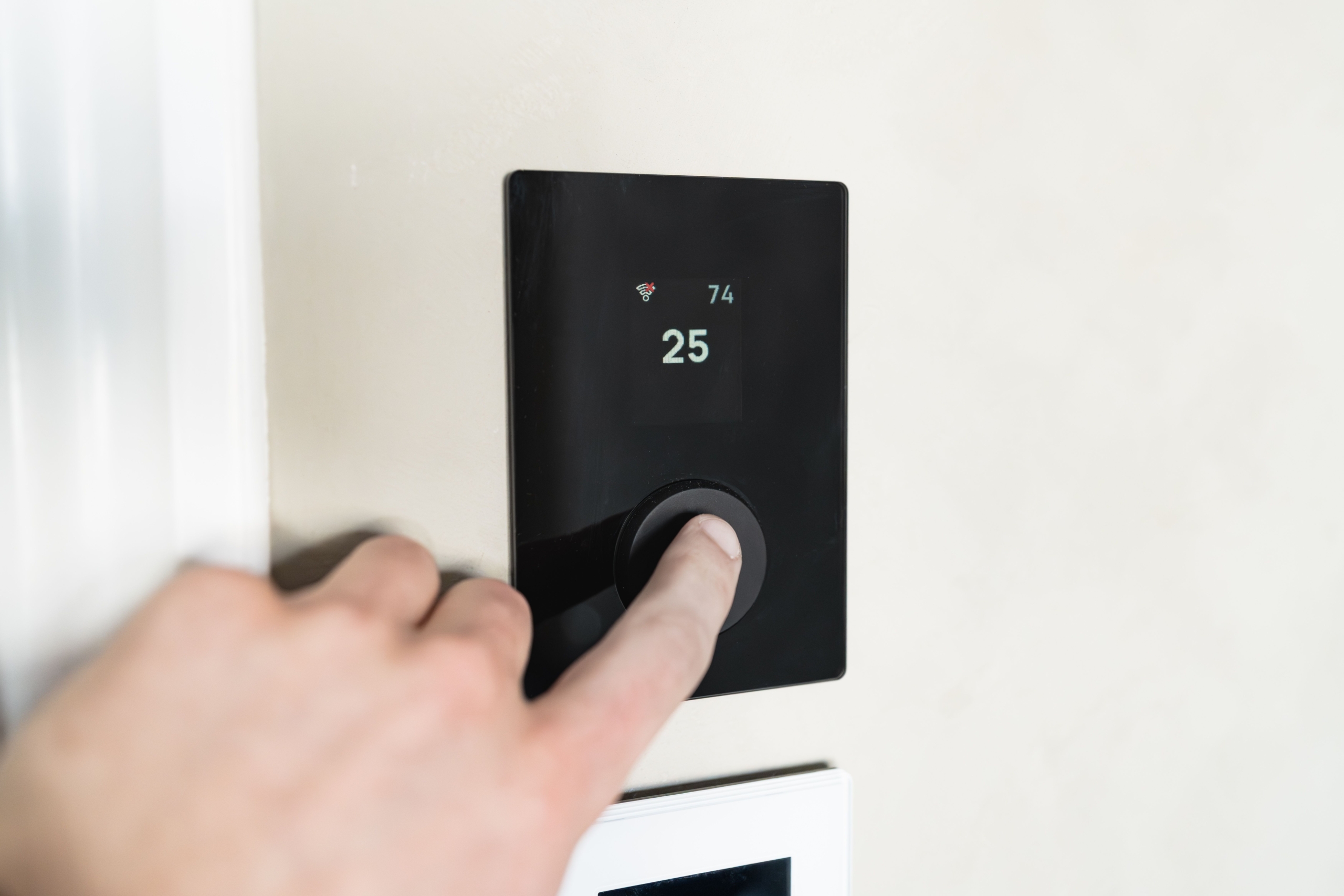
Keep Your Cool: Common Air Conditioning Mistakes to Avoid This Summer
As the summer heat rolls in, keeping your home comfortable without driving up your energy bills comes down to how efficiently your air conditioning system operates. Proper maintenance and smart usage can prevent costly repairs, extend the lifespan of your unit, and protect your home’s value.
Here are the key AC mistakes to avoid this summer:
1. Skipping Pre-Summer Maintenance
Waiting for a breakdown in the middle of a heatwave is a recipe for long wait times and unnecessary expense. Preventive maintenance done before the hottest months ensures your system is clean, properly lubricated, and running at peak performance.
2. Forgetting to Change the Return Filter
Failing to replace your air filter is one of the easiest ways to damage your AC system. Clogged filters restrict airflow, forcing the system to work harder, which increases wear and energy costs.
- Action Tip: Change return air filters every 1 to 3 months.
3. Setting the Thermostat Too Low
Air conditioners are generally designed to cool a home to a maximum of 20°F lower than the outside temperature. Setting your thermostat to 65°F on a 95°F day won’t cool the house any faster—it will only cause the unit to run continuously without reaching the target temperature, driving up energy costs.
4. Poor Thermostat Placement
Placing a thermostat near heat-generating appliances (like stoves, refrigerators, or lamps), in direct sunlight, or right next to doors and supply vents leads to inaccurate temperature readings. For optimal efficiency, thermostats should be installed on an interior wall in a central area of the home.
5. Landscaping Too Close to the Exterior Unit
Overgrowing bushes, plants, or decorative screens around your outdoor compressor can restrict essential airflow.
- Safety Standard: Maintain at least 2 to 3 feet of clearance around all sides of the outdoor unit.
6. Neglecting the Coils
When dust and debris bypass a dirty air filter, they settle on the AC coils. Clogged evaporator or condenser coils reduce the system’s heat exchange capacity, drastically lowering cooling efficiency. (Always ensure the power is completely shut off before inspecting or cleaning coils.)
7. Installing the Wrong Size Unit
- Oversized Units: Turn on and off too quickly, failing to run long enough to remove ambient moisture, which can leave your home feeling humid and foster mold or mildew.
- Undersized Units: Run constantly, overheating components and spiking power consumption.
8. Closing Vents in Unused Rooms
Closing air vents in unneeded spaces does not save energy. In fact, doing so disrupts the balanced pressure within your HVAC system, causing airflow restrictions and potential damage to ductwork. Keep vents open throughout the house to maintain proper airflow.
Quick Tips to Support Your AC
- Keep Blinds & Curtains Closed: Block direct sunlight during peak daylight hours to reduce heat gain.
- Use Ceiling Fans Wisely: Fans cool people, not rooms. Run them counter-clockwise to create a wind-chill effect while you are in the room, but turn them off when you leave. Keep your central HVAC fan set to AUTO rather than ON.
- Limit Heat-Generating Appliances: Avoid running ovens, dishwashers, and dryers during the hottest parts of the day.
- Switch to LED Bulbs: Traditional incandescent lighting emits significant heat compared to energy-efficient LEDs.
Join The Discussion