
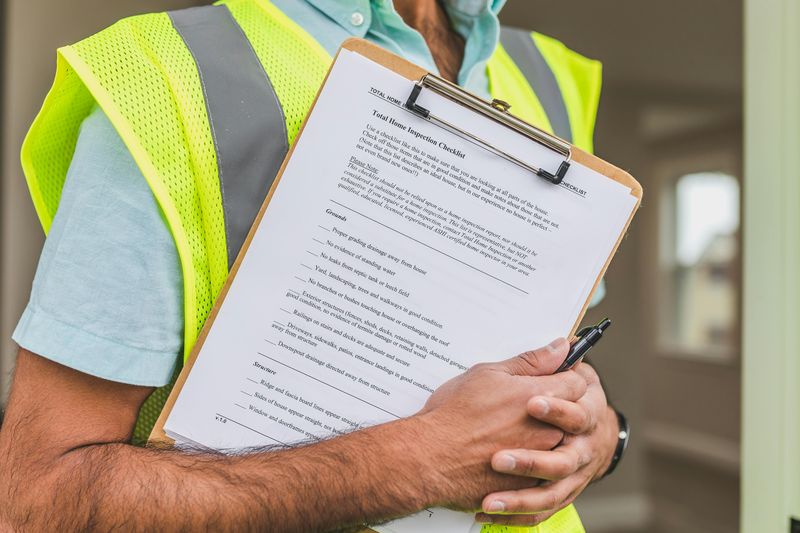
Homebuyers are strongly encouraged to have an inspection before they close on the sale of a home. An inspection can uncover potential structural or mechanical issues. Here are nine questions an inspector should be able to answer to your satisfaction. Do you belong to a professional association? There are two main inspection organizations today, the American Society of Home Inspectors (ASHI) and...

Frequently Asked Questions
Real estate portal sites generally offer information on a property's annual taxes. But it's a good idea to verify this information with your real estate agent and the sellers. What is the assessed value of the property? Assessed value is generally less than market value. A recent copy of the seller’s tax bill will help you determine this information. How often are properties...
Where you live should reflect your lifestyle. These questions will help you find the best community for you. Federal fair housing law prohibits real estate agents from steering you to one neighborhood or another, but agents they can direct you to resources that will answer your key questions about neighborhoods you're considering. Is it close to my favorite spots? Make a list of activities you...
Once you are under contract, the buyer’s lender will send out an appraiser to make sure the purchase price is in line with the property’s value. Appraisals help guide mortgage terms. The appraised value of a home is an important factor in the loan underwriting process. Although lenders may use the sale price to determine the amount of the mortgage they will offer, they generally only do so when...
You can expect a home inspector to evaluate these nice areas or systems. Structure The home’s “skeleton” should be able to stand up to weather, gravity, and the earth that surrounds it. Structural components include items such as the foundation and the framing. Exterior The inspector should look at sidewalks, driveways, steps, windows, doors, siding, trim, and surface drainage. They...
A homeowners’ insurance policy protects you against certain losses your new home may experience. Coverage is generally required by lenders prior to closing. Some lenders collect the homeowners’ insurance premium as part of your monthly mortgage payment, place it in an escrow account, and pay the insurer on your behalf. Coverage exclusions: There are two types of coverage provided by a...
Title insurance protects your ownership right to your home, both from fraudulent claims against your ownership and from mistakes made in earlier sales, such as misspellings of a person’s name or an inaccurate description of the property. In some states it is customary for the seller to purchase the policy on your behalf. Your mortgage lender will require it. Title insurance protects the lender...