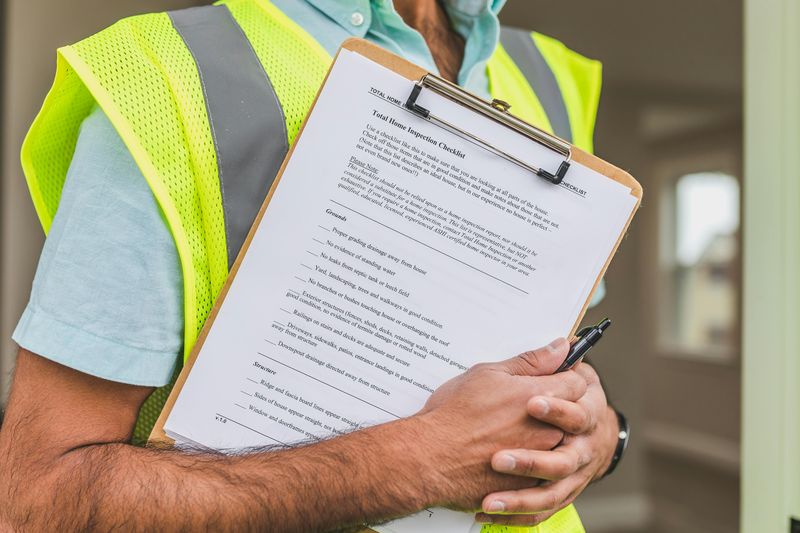

A final walk-through is the time to make sure that your new home is in the same condition you expected it would be. Closing time is hectic, but you should always make time for a final walk-through to make sure that your home is in the same condition you expected it would be. Here’s a detailed list of what to check for on your final walk-through. Basement, attic, and every room, closet, and crawl...
Every lender requires documentation as part of the process of approving a mortgage loan. Here are documents you’re generally required to provide to your mortgage lender. W-2 statements and tax returns — business tax returns if you're self-employed — for the last two or three years for every person signing the loan. At least one pay stub for each person signing the loan. Account...
You'll walk away from the closing table with a big stack of papers. Know what to file away for future reference. Loan estimate Your lender is required to provide you with this three-page document within three business days of receiving your loan application. It will show estimates for your interest rate, monthly payment, closing costs, taxes, and insurance. You'll also learn how your interest rate...
A homeowners’ insurance policy protects you against certain losses your new home may experience. Coverage is generally required by lenders prior to closing. Some lenders collect the homeowners’ insurance premium as part of your monthly mortgage payment, place it in an escrow account, and pay the insurer on your behalf. Coverage exclusions: There are two types of coverage provided by a...
Title insurance protects your ownership right to your home, both from fraudulent claims against your ownership and from mistakes made in earlier sales, such as misspellings of a person’s name or an inaccurate description of the property. In some states it is customary for the seller to purchase the policy on your behalf. Your mortgage lender will require it. Title insurance protects the lender...